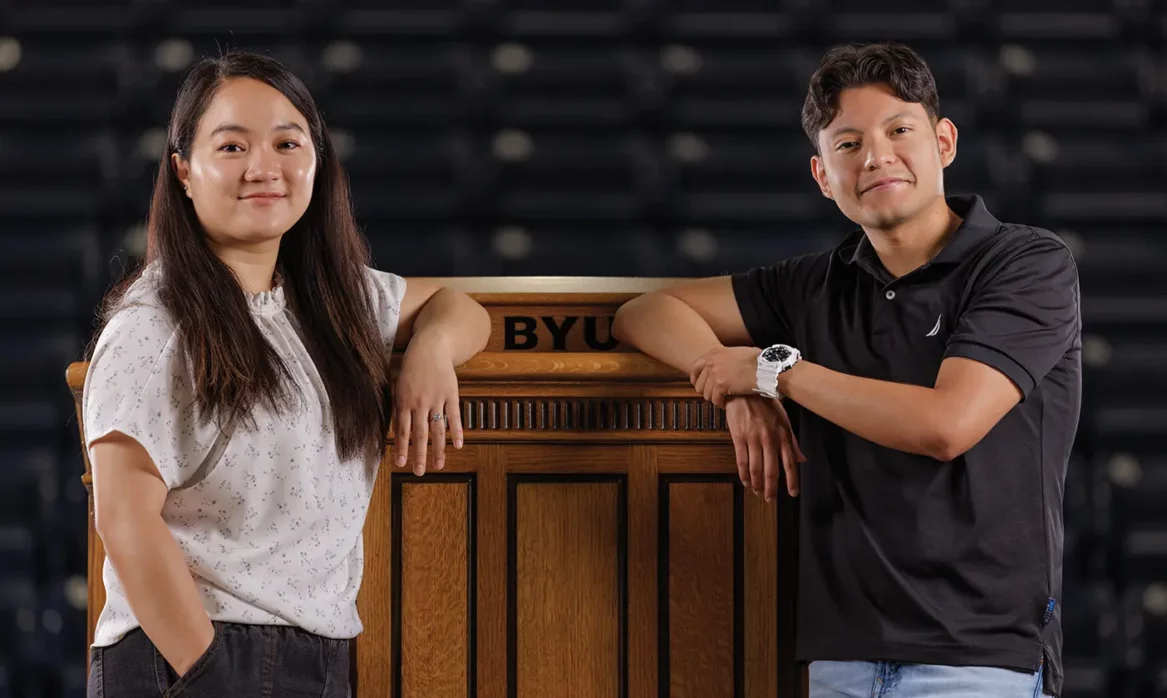





A new AI translation project brings gospel messages to speakers of low-resource languages.
As Stephen D. Richardson (BS ’77, MA ’80) sat in the Marriott Center in 1975, he heard a prophet speak: “We look forward to developments in your computer-assisted translation projects,” said President Spencer W. Kimball as part of his Second Century address honoring BYU’s centennial. To Richardson, then a student researcher working on a computer-translation project, the words felt like a calling.
But “the computer we were using in 1975 was a million times less powerful than my cell phone is today,” says Richardson. That would change. Richardson, now a BYU computer science professor, spent his career developing translation and language software at IBM and Microsoft. After overseeing translation systems and software at the Church of Jesus Christ, he’s back at BYU, striving to fulfill President Kimball’s words with a team of grad students in Provo and BYU Pathway students in several countries in Africa.
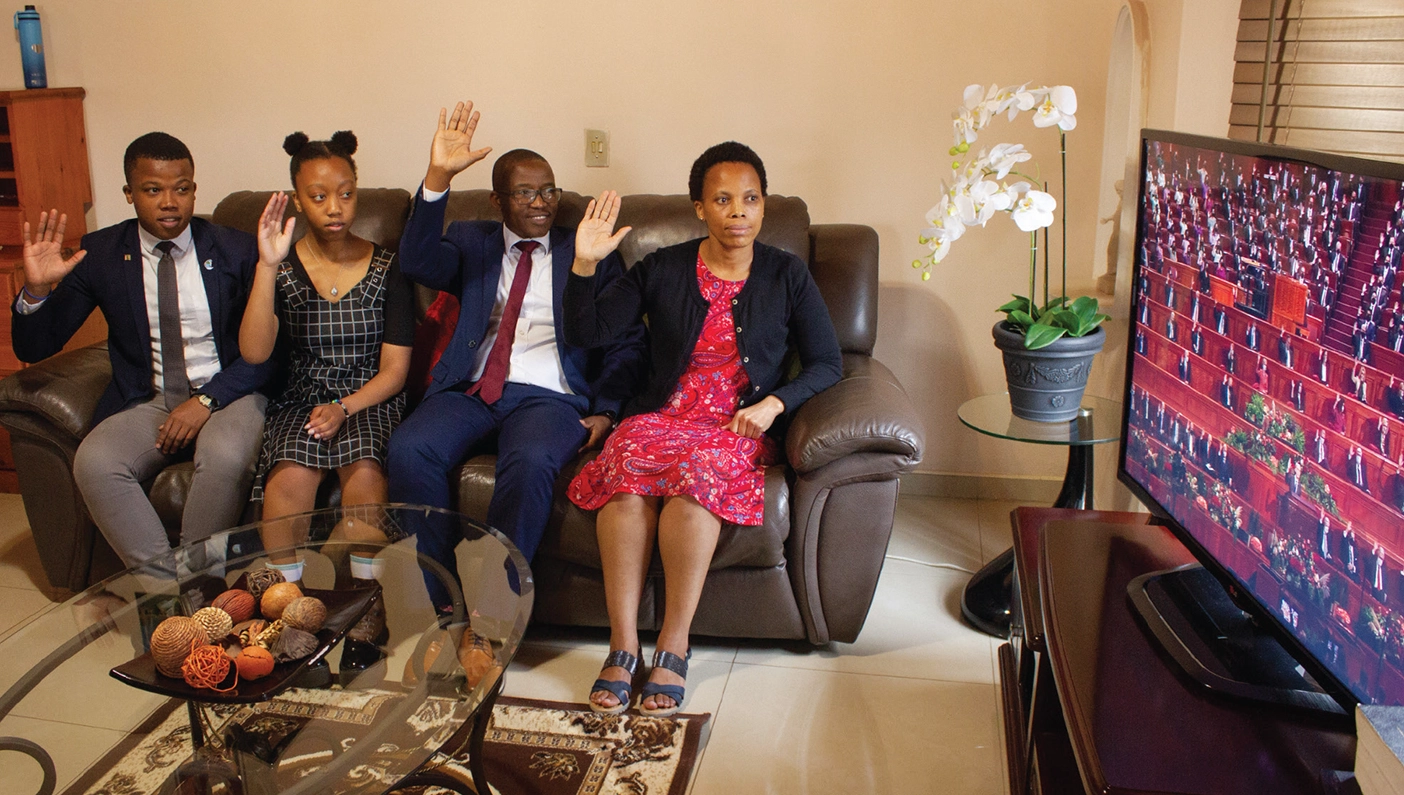
Many African languages, such as Xhosa, Twi, and Zulu, are what computer scientists call “low resource.” Unlike languages such as Spanish and Chinese, they have a limited digital footprint, making AI translation difficult.
With his students and collaborator Charles D. Cranney (BA ’81), BYU Brand & Creative senior manager of digital media, Richardson is addressing that challenge with the Pathsay AI Language Project.
BYU Pathway students in African nations are paid to record themselves reading sentences in their native languages taken from Church materials and other sources. BYU researchers use the recordings to train AI models to instantly translate speech and written word from English into native languages and vice versa. With the applications Richardson’s team has developed, the AI speech sounds “human-like, not robotic,” Richardson says.
Many speakers of the target languages cannot read, so access to audio resources such as conference talks and scriptures would be a blessing. “So many scriptures say that the gospel will be sounded in every ear,” Cranney says. “Everybody will hear the gospel of Jesus Christ in their own tongue. And that’s the motivation that we have.”
The team has gathered hundreds of thousands of recordings in 17 African languages, with plans to expand into Latin America and the Pacific. Their work is already changing lives. “I have been able to improve in my knowledge of my native language of Igbo, which has helped me connect more deeply with my culture,” says Victor, a contributor from Nigeria. “It has also drawn me closer to God, strengthening my faith in ways I did not expect.”