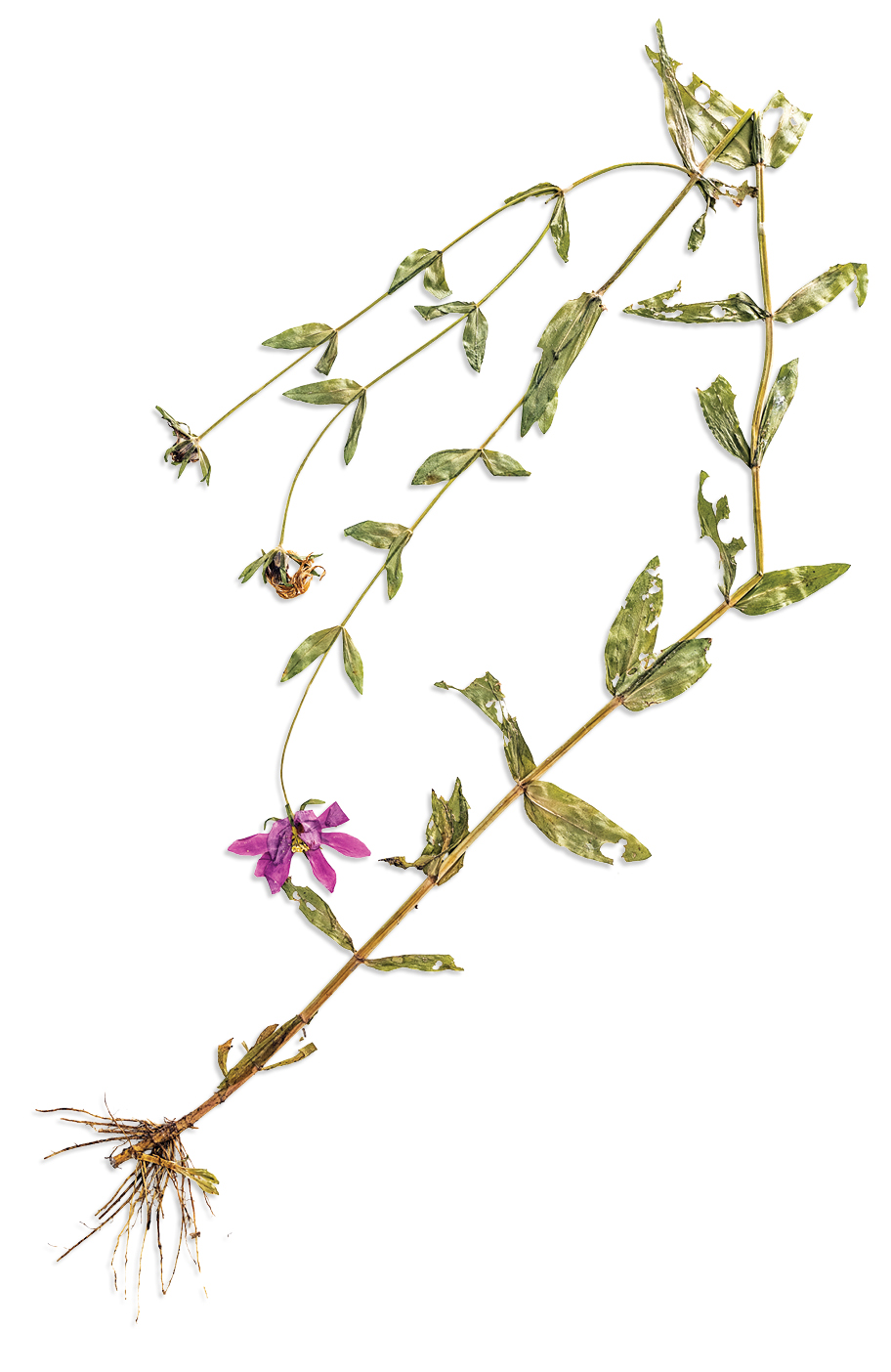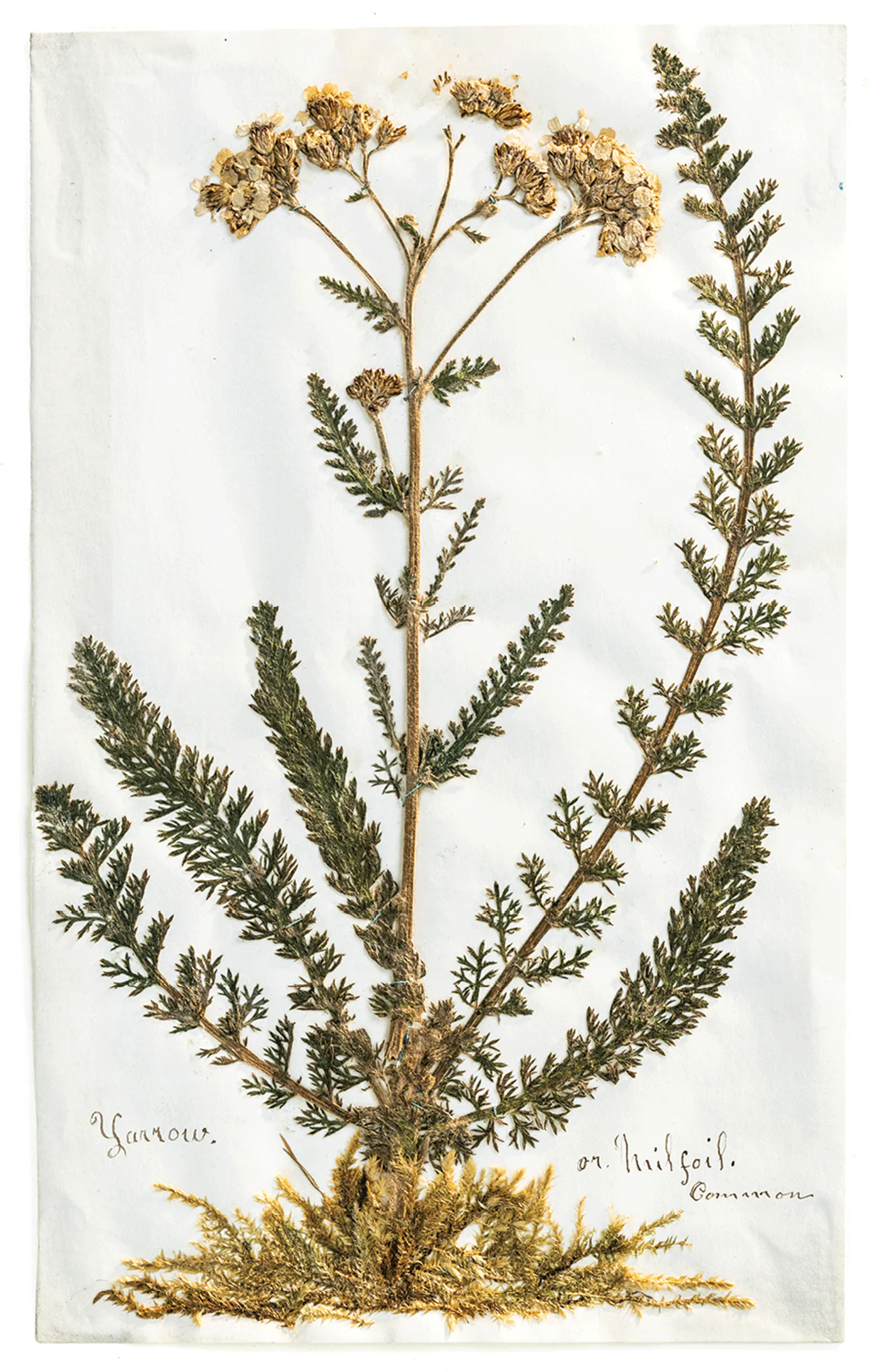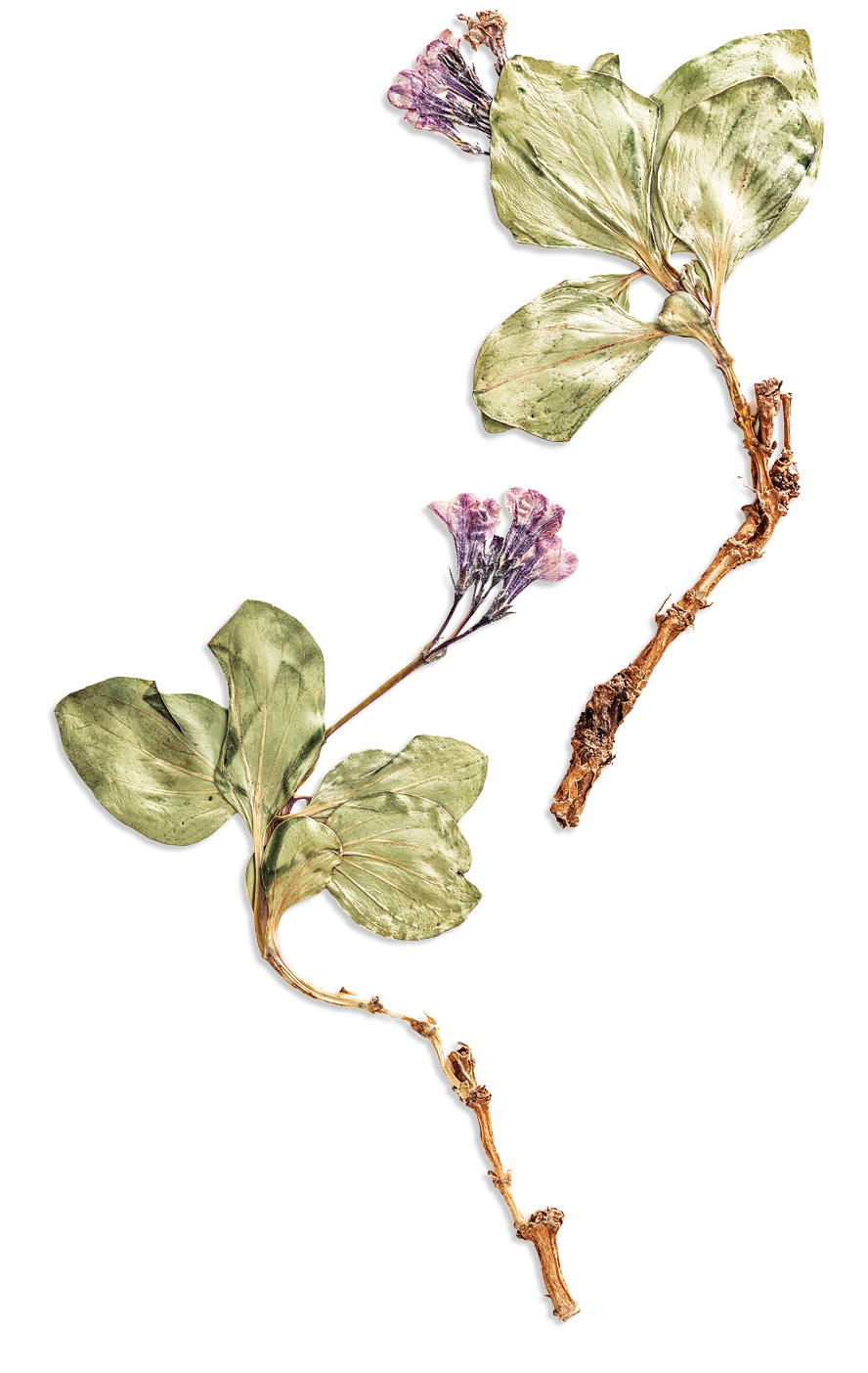





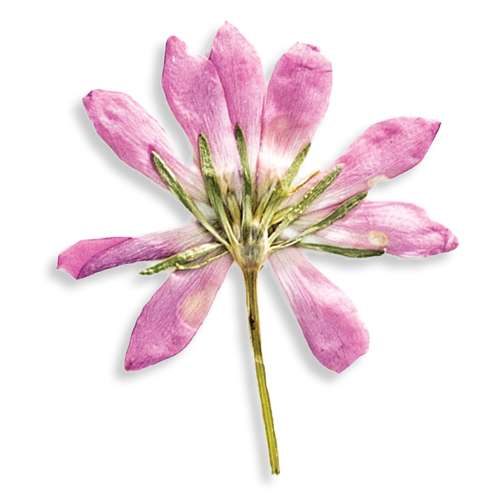
“Sometimes we get phone calls with people thinking it’s a health food place where they get herbs,” says biology professor Leigh A. Johnson (BS ’91), curator of BYU’s Stanley L. Welsh Herbarium. But the herbarium is no Whole Foods. Located in a portion of the Bean Life Science Museum not open to the public, it “is a repository of pressed, dried plant specimens that document a particular location and time.”

BYU’s herbarium boasts the world’s most comprehensive coverage of plants from the intermountain region, but it also has specimens from international locations including Chile, Argentina, Mexico, and Korea. The collection has supported a wide array of research—from anthropological studies about historical uses of seeds to mapping the spread of species in the intermountain region. Dependent on the preservation work of botanists from the past, the herbarium allows today’s researchers to pay it forward by preserving specimens that are “going to have value in the next generation and the generation after that,” says Johnson.