




In a remote Ecuadorian village, an interdisciplinary BYU team collaborates with local residents on a sustainable building project.

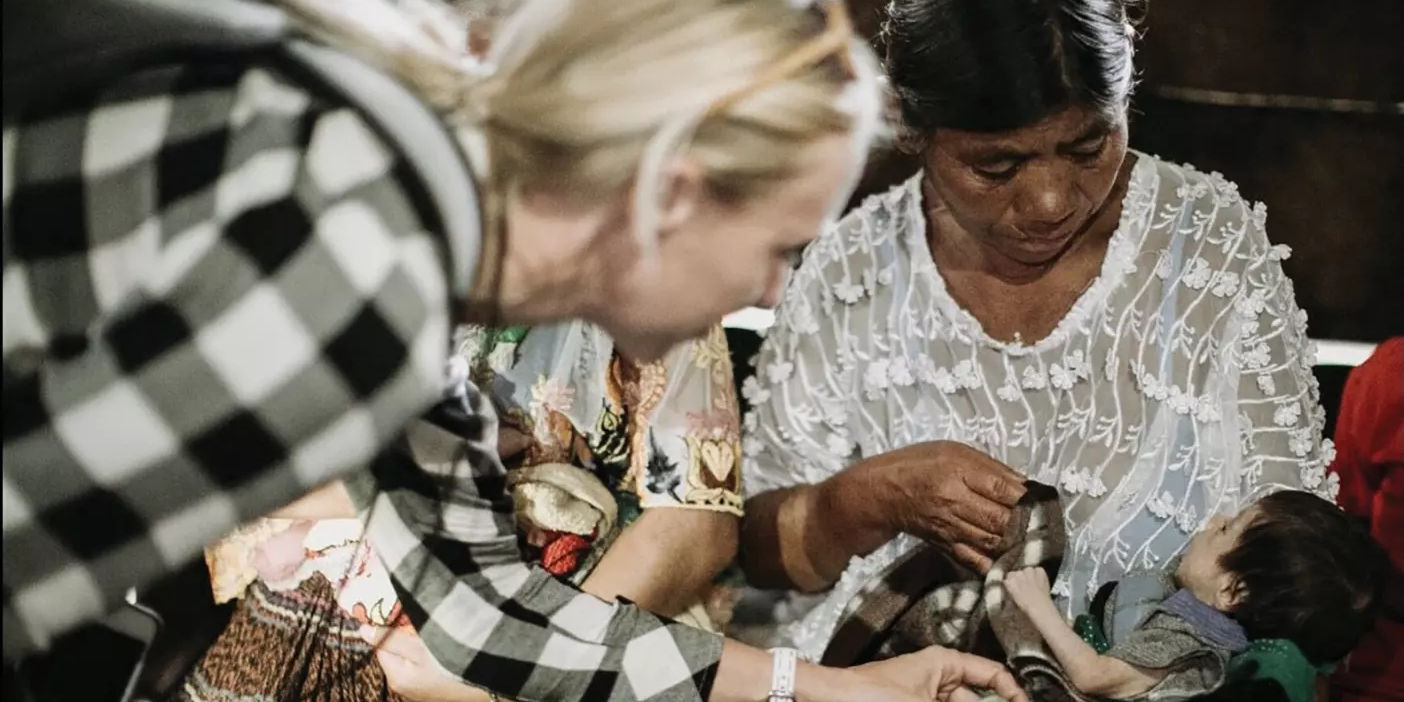
After a bumpy bus ride down a long gravel road and a 9-hour canoe trip through the Amazon rainforest, an eclectic group of BYU students and professors—linguists, engineers, biologists—arrived last summer at a remote settlement in Ecuador, where they spent 10 days learning from and working with the Waorani and Kichwa people as part of an ongoing collaboration with the communities of Geyepare and Curaray.
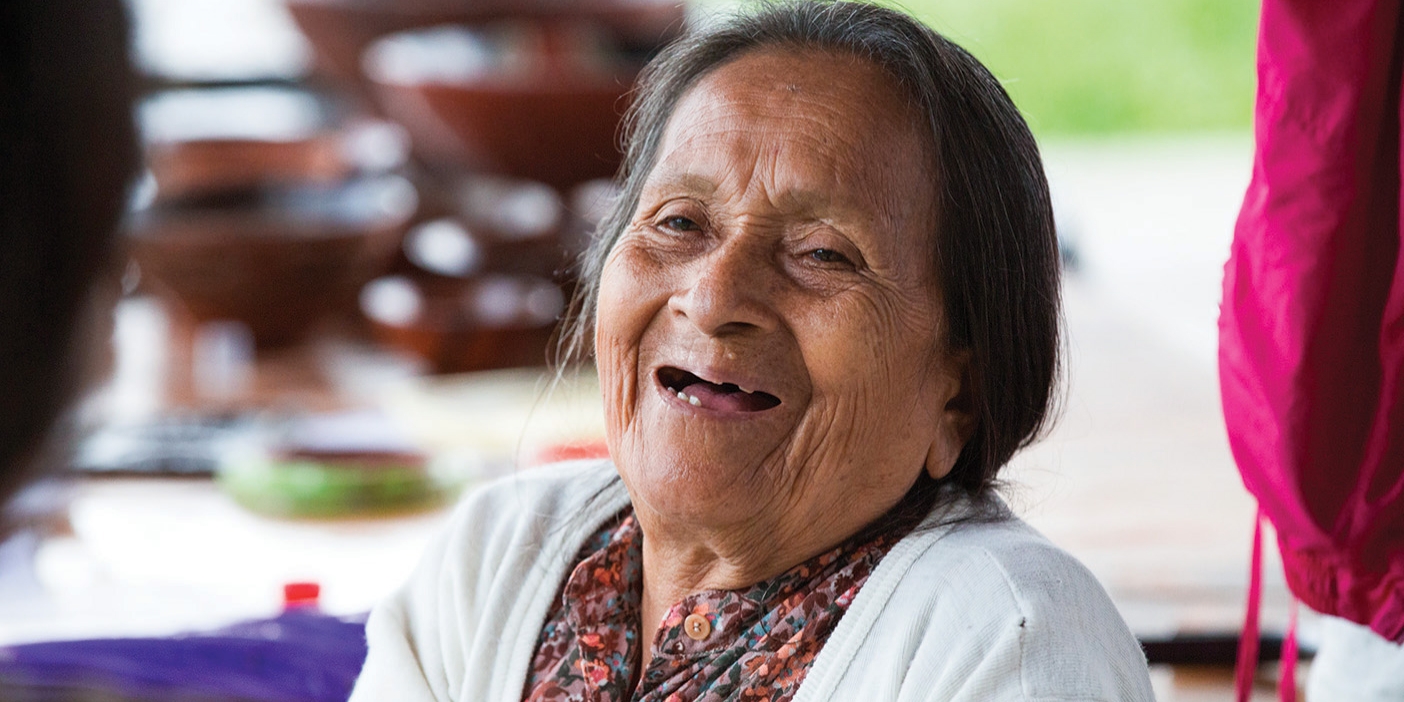
“The land is their curriculum, and the rainforest is their library,” says linguistics professor Janis B. Nuckolls, who has been working with the indigenous Kichwa and Waorani people for more than 30 years. They “have to be so knowledgeable about all the intricacies of their biodiversity to succeed and thrive without damaging anything.”
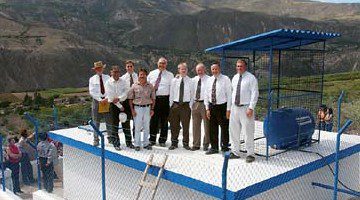
Wanting to protect their land while building their economy and welcoming visitors, the Waorani people asked members of the Kichwa community, together with BYU faculty and students, for help constructing a multiuse building to monitor their land use and host ecotourists and student groups.
After a BYU engineering capstone group designed an initial concept, the construction work in Geyepare began. Some students took canoe trips down the river to collect sand and filled the building’s foundation with concrete and rebar; others monitored how the construction would impact the environment by measuring biodiversity and population levels of plants and wildlife.
“We had biologists mixing concrete, civil engineering students trying to catch dragonflies, and all of them trying to learn the language,” says mechanical engineering professor Andrew J. South (BA ’03, MA ’11). “It was really remarkable to see the students come alive as they started to appreciate how these other disciplines helped them.”
Alongside work on the main project, students fished and played soccer with the locals, explored the rainforest, and did their best to give and receive service—all while learning Kichwa and Wao from Nuckolls and the indigenous community members.
“It was fascinating to learn about their culture through their language,” says mechanical engineering student Caleb C. Jenkins (’27). “To hear [Professor Nuckolls] interact with these people made me really want to see the world through their eyes.”
Through it all, the interdisciplinary collaboration has been crucial to the success of the project.
“It was really beautiful, once we put our heads together, to see how the biodiversity and ecology of the area was actually really important to the linguistics, the culture, and the built environment,” says life sciences professor Seth M. Bybee (BS ’04). “It all fits together [as we make] sure that we’re being good stewards.”