



Meeting Jesus in the House of the Lord
Invited guests in His house can find deep meaning and be blessed "in ways nothing else can."
Blessed Are the Peacemakers
BYU experts offer research-based and gospel-backed ways to create peace and disagree with each other better.

Life and Breath
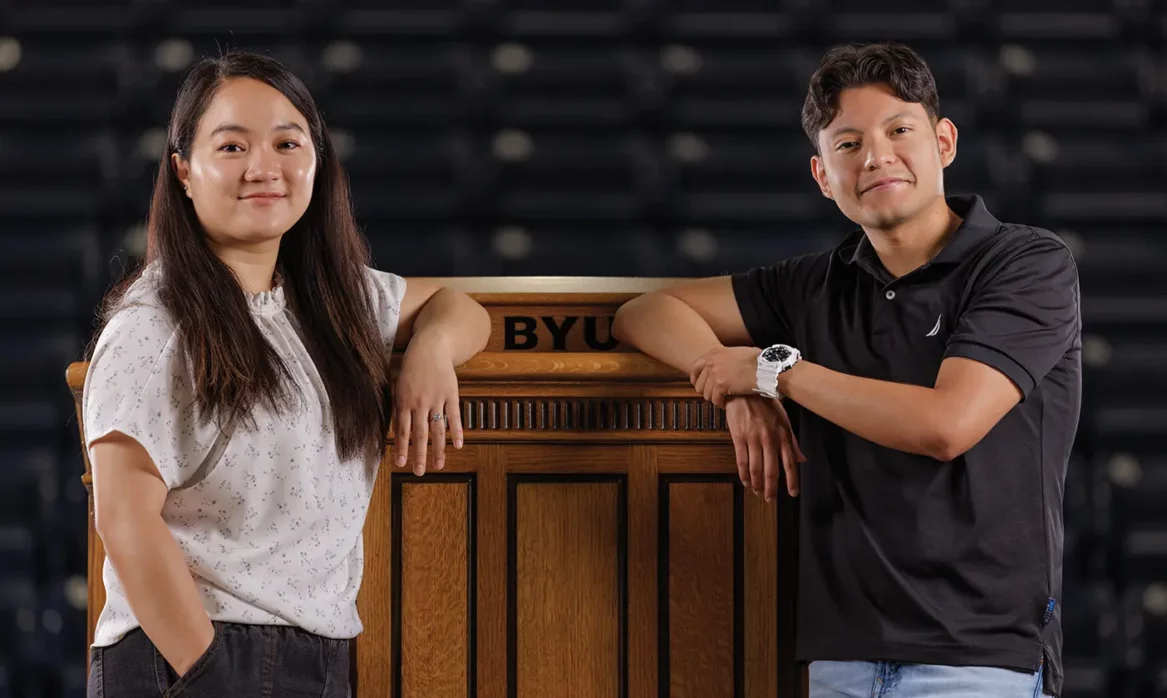
This summer BYU students will collect data to help improve air conditions for Nepali bricklayers.

 3:33
Article
Insta Classics
BYU piano-performance grad student Savannah Jones shares her love of classical music on Instagram.
3:33
Article
Insta Classics
BYU piano-performance grad student Savannah Jones shares her love of classical music on Instagram.
 3:48
A Thing of Beauty
Clean, Clear Air
Economics professor Arden C. Pope shares about the beauty of nature in unpolluted air.
3:48
A Thing of Beauty
Clean, Clear Air
Economics professor Arden C. Pope shares about the beauty of nature in unpolluted air.




Article
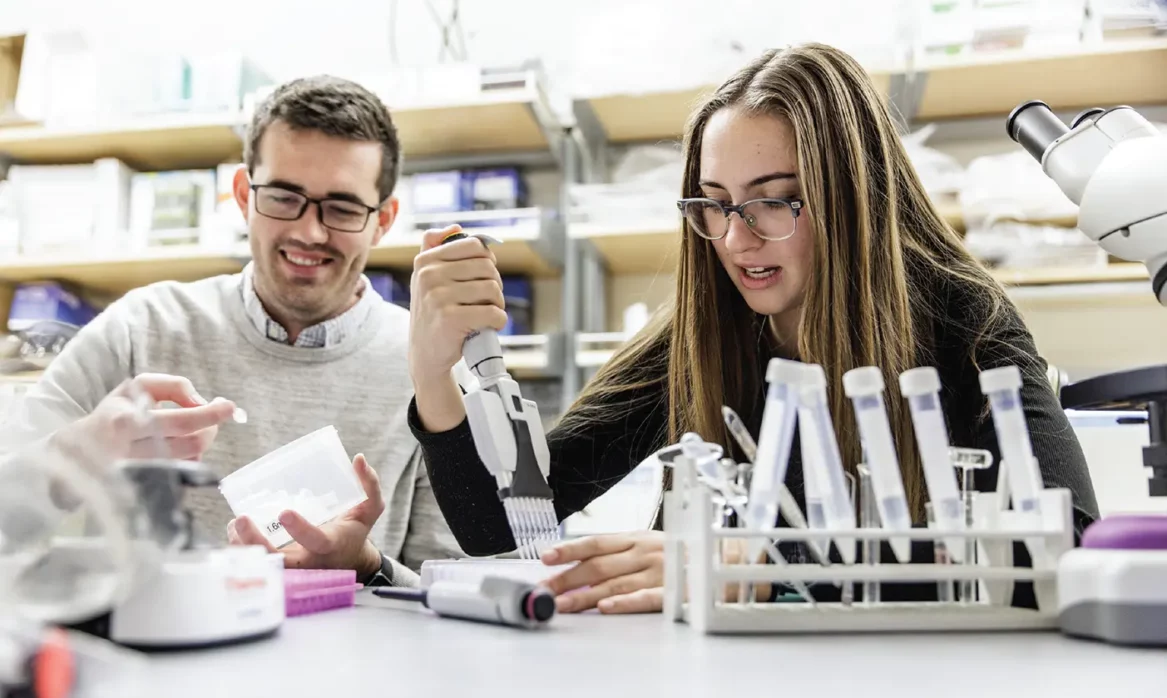
Inspired in the Lab
Chad Pollard and Kelaney Stalker apply epigenetics to projects they are passionate about while working in a BYU lab.
Research
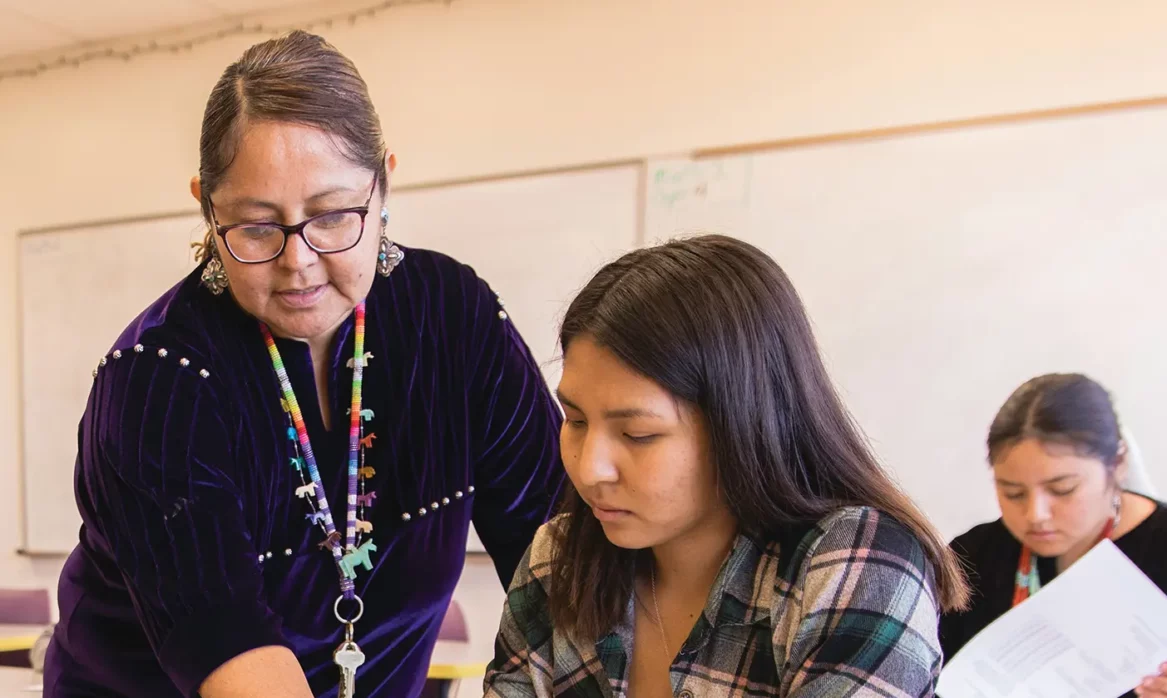
Supporting Rural Teachers
The 3D-RST project formed to connect and support teachers in rural areas using technology.
Family
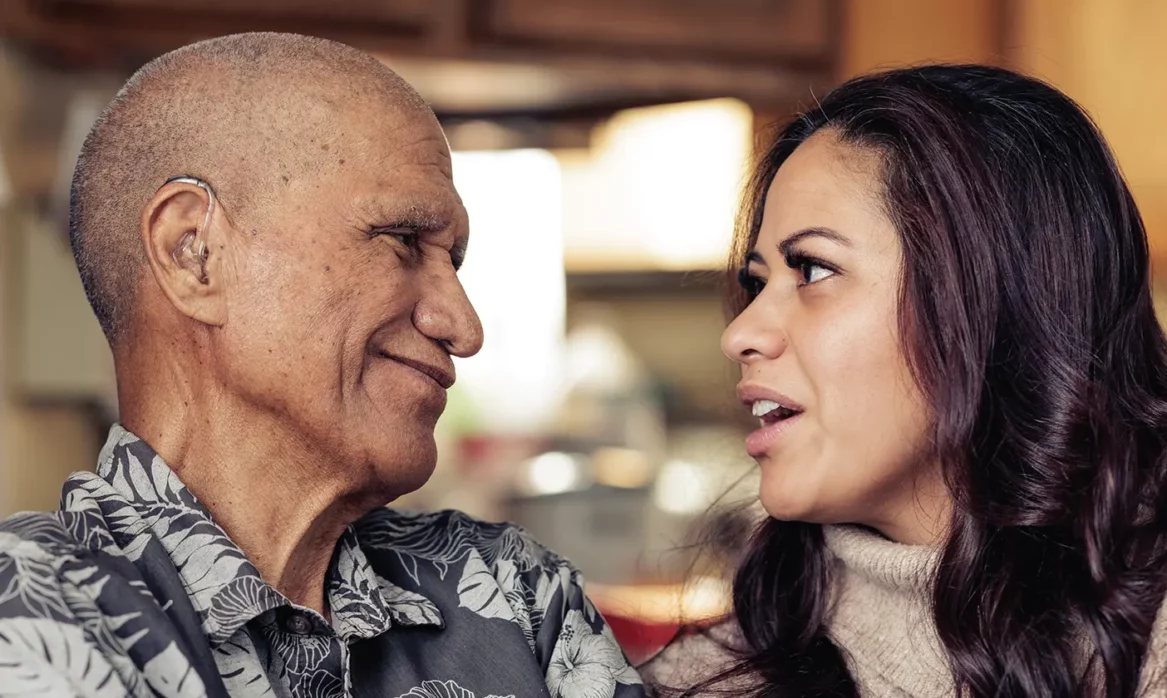
Prepare to Care
Insights from a BYU professor on having open conversations about caregiving for aging family members.
Campus
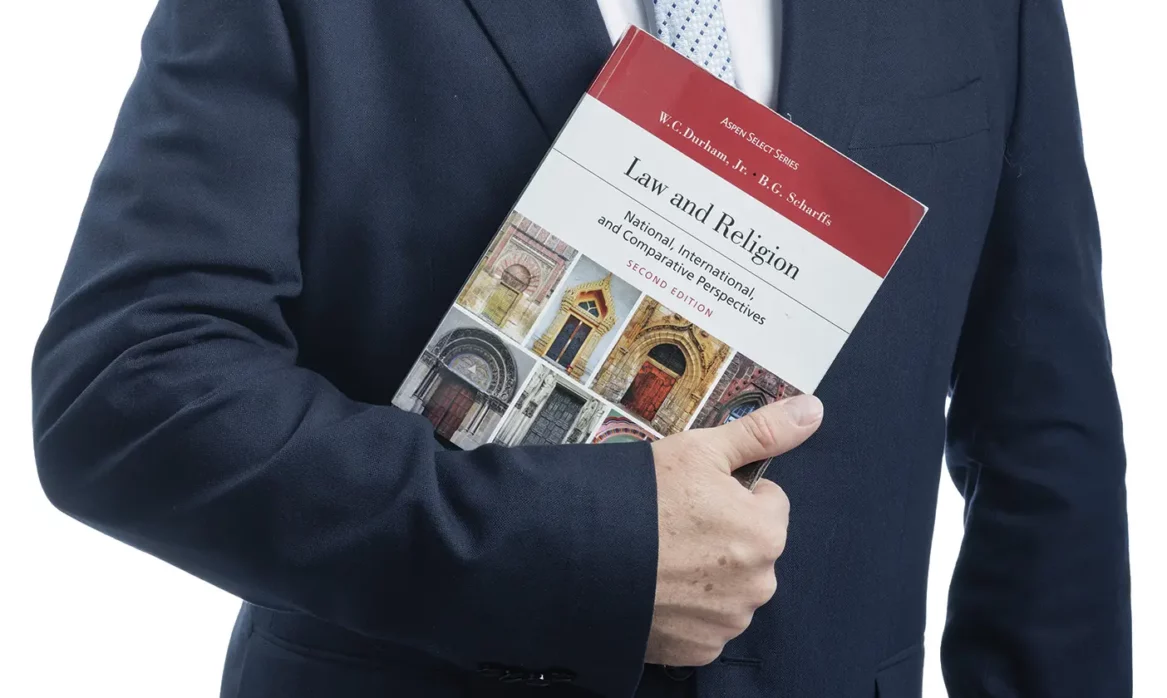
Religious Liberty for All
What is religious liberty, and how can the average person safeguard this human right?

People
Miles of Inspiration
An alum has spent nearly 600 days walking across the United States and Europe. What has he learned? The world is good.


Faith
Doers of the Word
Being a doer of the word means moving beyond the mere accumulation of knowledge to applying the gospel of Jesus Christ.


People
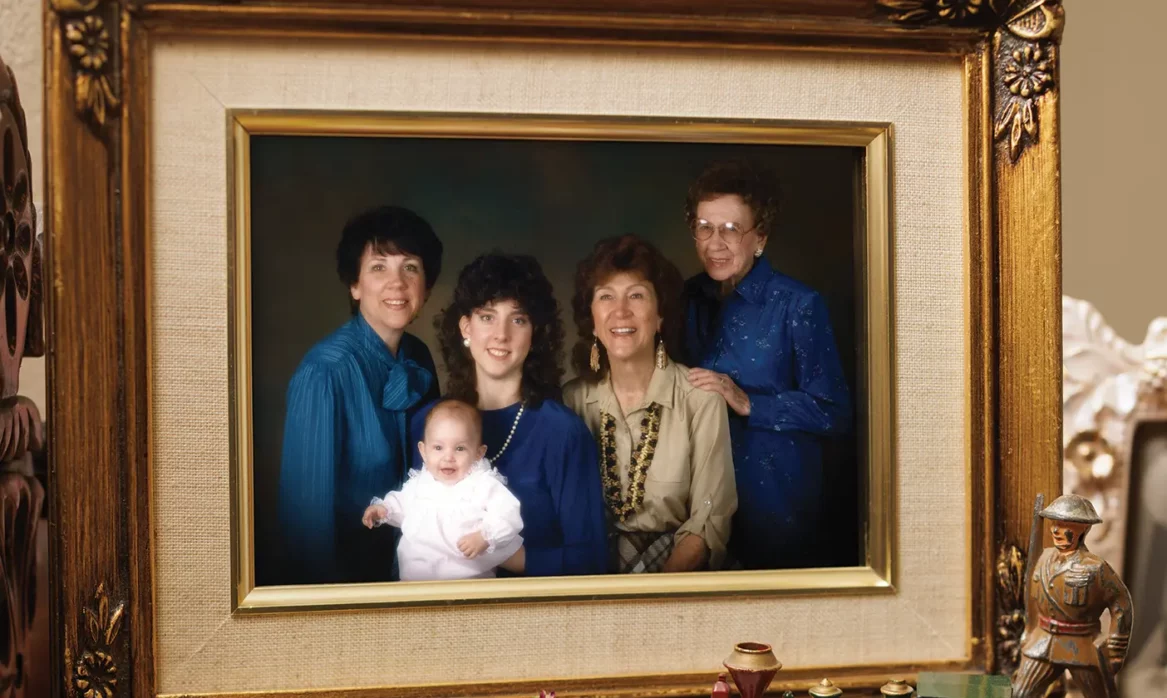
Circles of Love
LeeAnne Lisonbee Whitaker remembers a moment of connection across five living generations of women in her family.