




With global experience from his youth, an alum seeks to bless all of God’s children.
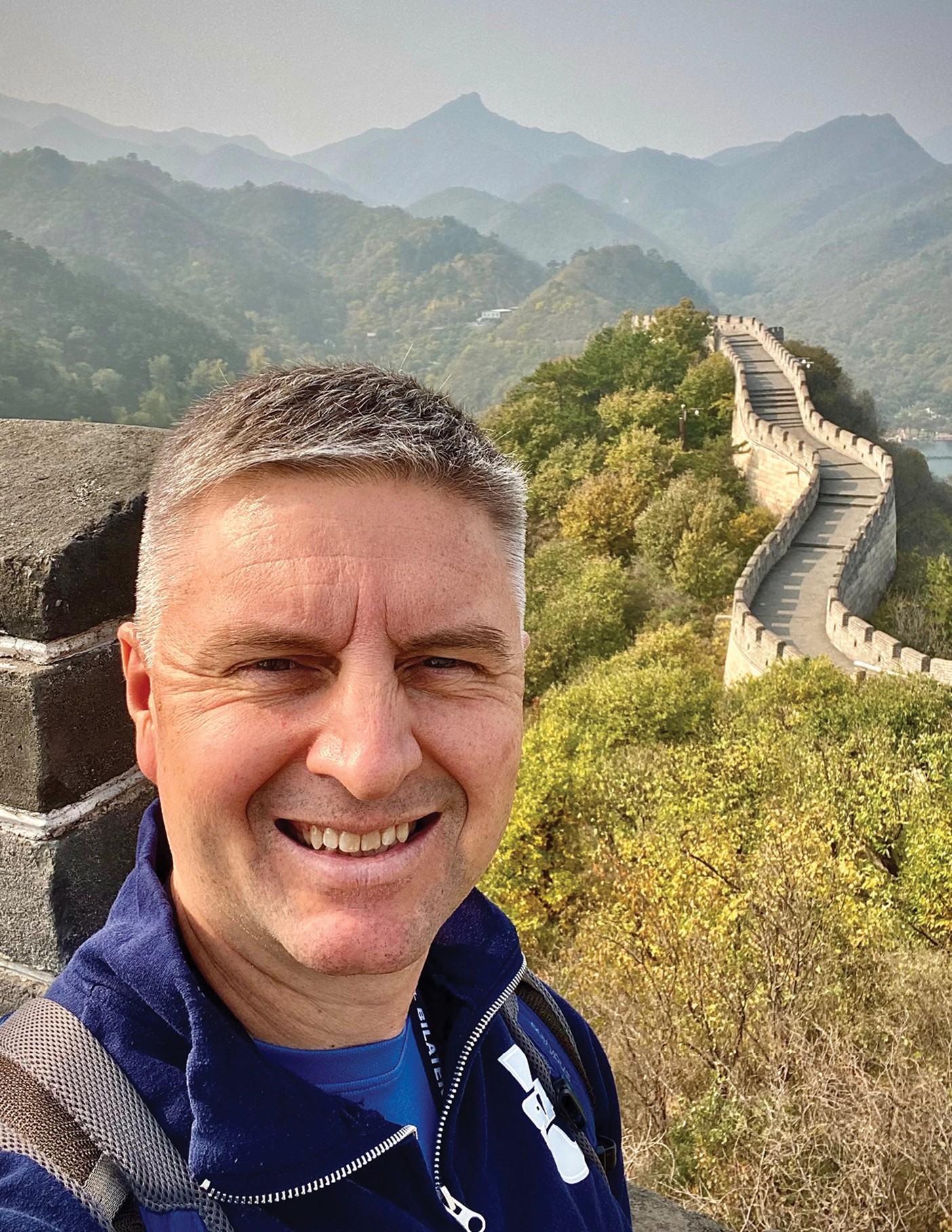
In eighth grade Steven J. Smith (BA ’99) flew alone on Korean Airlines from Chicago to Japan, a trip his parents had carefully planned out with stops in Anchorage and Seoul. Family friends in Japan had invited him to live with them and attend school abroad for a semester. Smith was all in. During his 12-hour layover in Seoul, Korean Airlines offered to take passengers with long layovers on a lengthy tour of Seoul. “I hopped on a tour bus and had a wonderful day by myself as a 14-year-old,” he recalls. “When I told my parents later, they were very concerned I hadn’t followed the plan!”
Curiosity about the world—and a need to explore it—have characterized Smith’s entire life.
Born in Argentina to an Argentine mother and American father, Smith enlisted in the Utah Army National Guard after high school, which provided him the opportunity to study Japanese for 18 months at the Defense Language Institute (DLI). After completing his Army training, Smith expected to be called to serve a mission in Japan or possibly in a Spanish-speaking area. Instead, a Chinese-speaking mission to Melbourne, Australia, turned his focus to China.
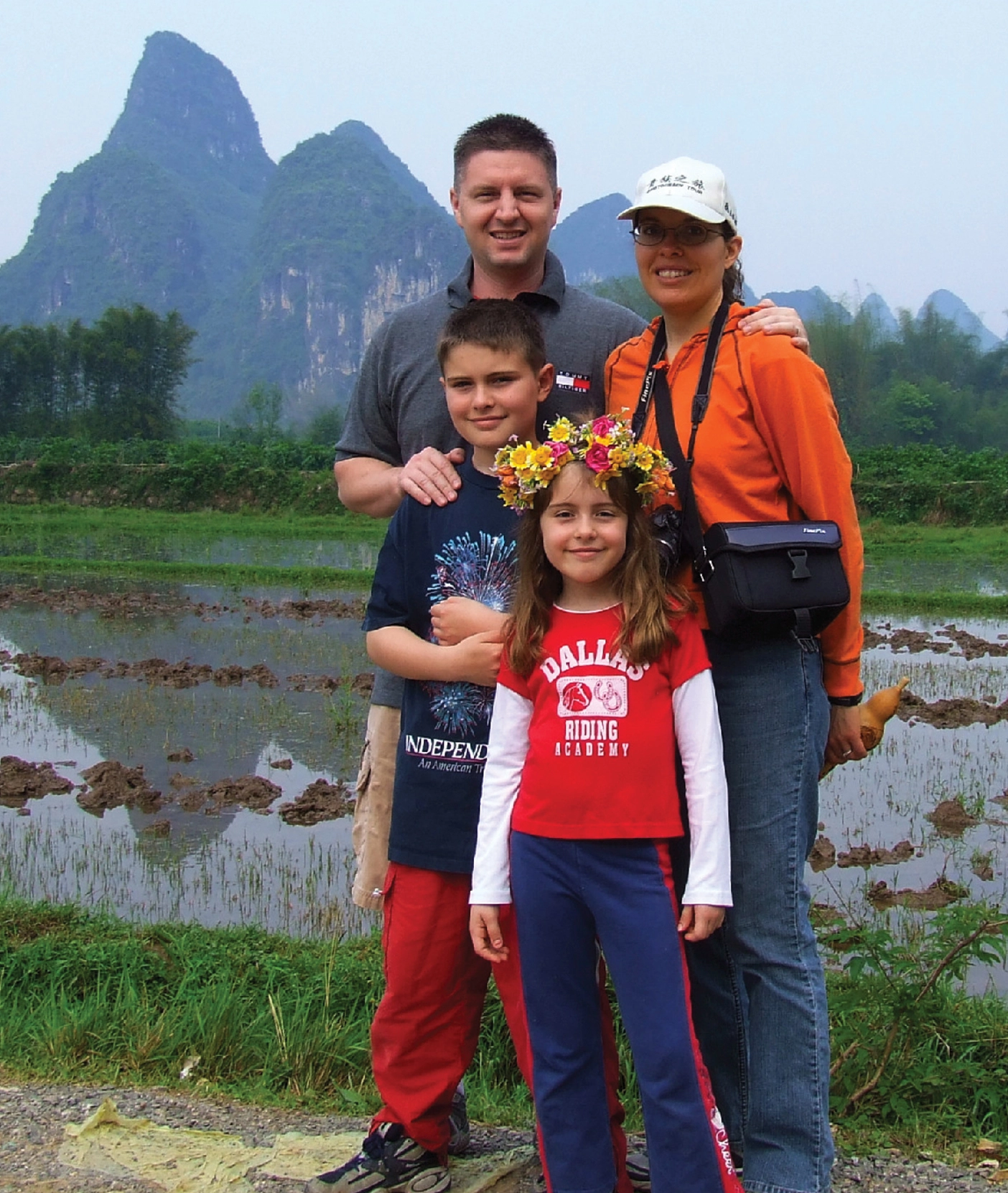
Smith’s mission president helped him apply to BYU, where he met his wife, Michelle Burton (BA ’17), who had served in Russia, studied Chinese, and had similar global interests. Smith’s Asian studies BA and minors in Chinese language and literature, as well as a minor in aerospace studies (part of his Air Force ROTC program), primed him to later become one of the US Air Force’s and country’s top experts on China.
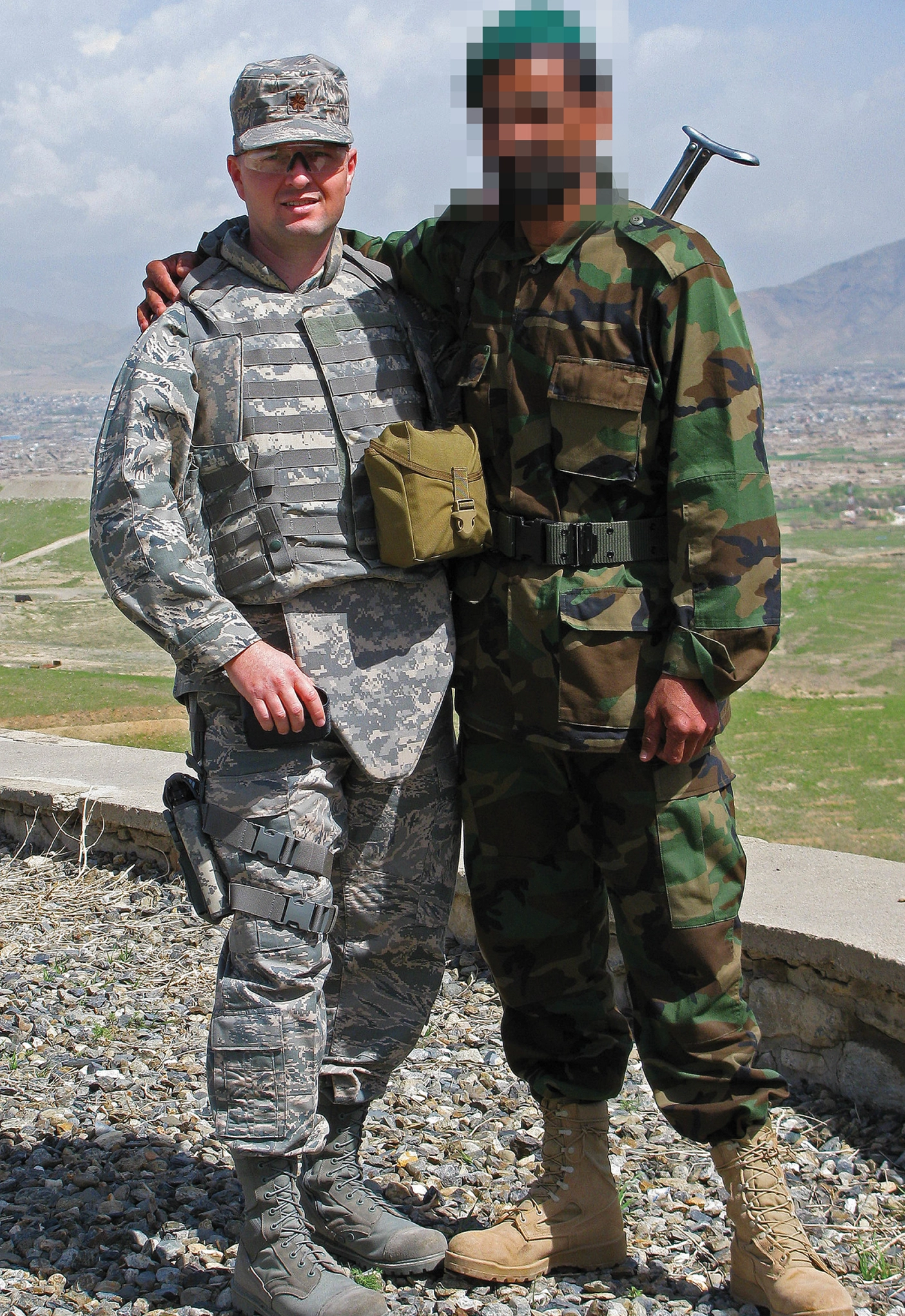
Undergirding his expertise in China and geopolitics is a genuine love for God’s children and a desire to build bridges to other cultures. Love and respect for China, its people, and its history—and a deep love for his own country—fueled his extensive postgraduate education: three master’s degrees, including one from Fudan University in Shanghai, and a PhD focused on Chinese military diplomacy. But Smith’s education isn’t just academic; it was hard won in three wartime deployments for the conflicts in Afghanistan and Iraq.
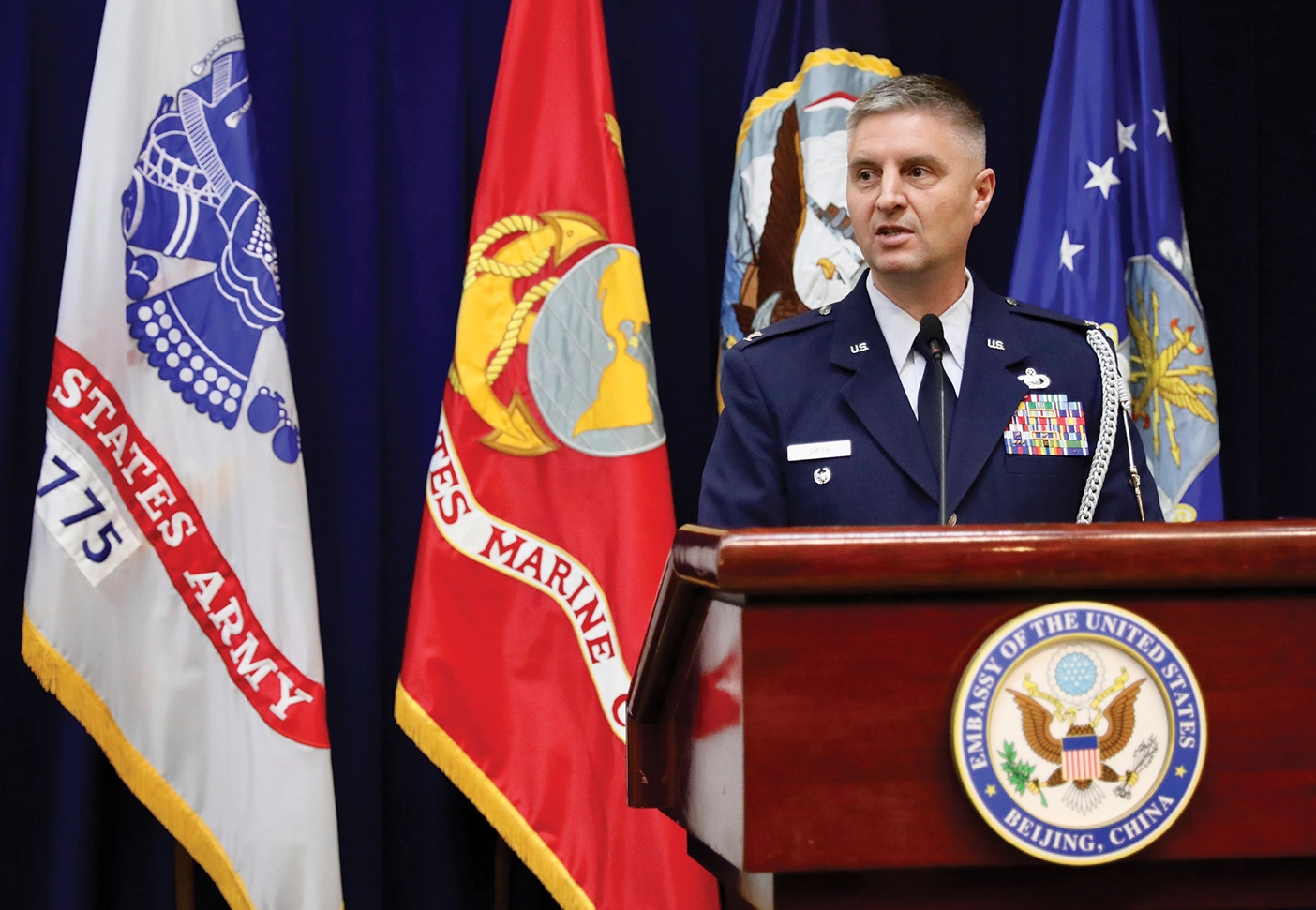
Smith’s BYU AFROTC program mentor Colonel Frank Clawson—once one of the country’s best fighter pilots and a former stake president—had taught him that “having men and women of character, who revere the sanctity of life, is critical for warmakers.” Clawson said such people avoid war whenever possible and seek to minimize suffering. This resonated with Smith, who would later hold roles as an intelligence officer, regional affairs strategist managing the Air Force’s interactions with China and Taiwan, and as the Air Force attaché at the US Embassy in Beijing.
“In my career,” Smith says, “the gospel has helped me find the best approaches, see truth and error, and . . . [seek] the policy positions that would be most consistent with the gospel of Jesus Christ.” This helped him meld the often-opposing positions of his country’s strategic military interests and his belief that all people are children of God.
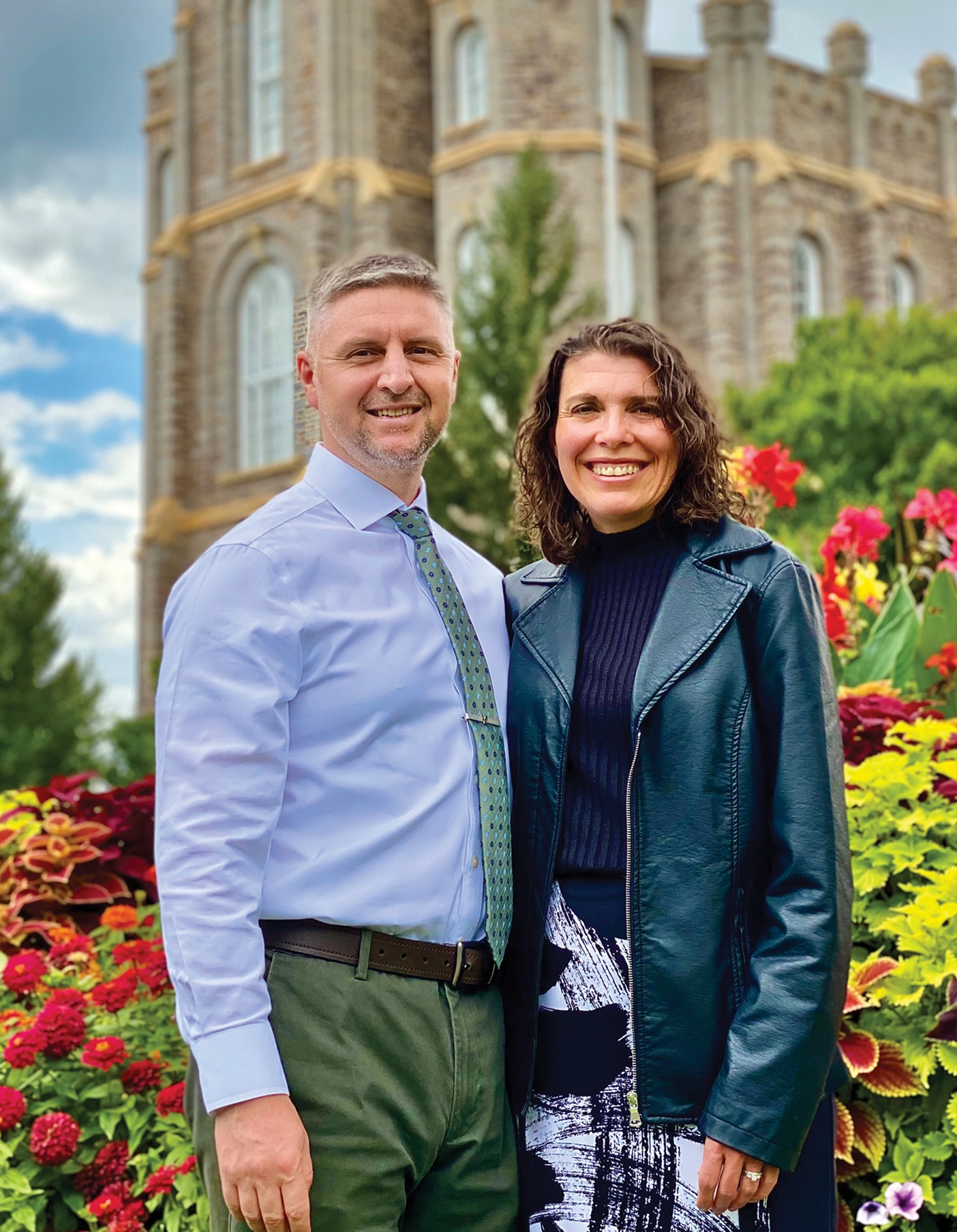
Now retired from the Air Force, Smith teaches part-time at Utah State University, where he holds an adjunct faculty position at USU’s Center for Anticipatory Intelligence. He is also the full-time director of warfighter engagement at the Air Force’s China Aerospace Studies Institute. In all these roles, Smith seeks ways to bless God’s children.
“I think Heavenly Father is pleased when a powerful and wealthy nation tries to do good in the world—when you choose to use your secular power and lend your voice to shaping policy outcomes in ways that [recognize] that we live in a world of His sons and daughters,” he says. “If a country uses its wealth and power to make things generally better for the world in terms of a rules-based international order . . . or stands up against belligerents, that is the right thing to do. It blesses Heavenly Father’s other children.”