




What one family learned as they overspent on gifts—for others in need.
To say my father was frugal would be a gross understatement. I once called a radio show that asked its listeners to share the cheapest action done by a loved one. When I told the DJ that my father—Franklin S. Stucki (BS ’46, MS ’47)—posted a record on the refrigerator of how much each of our appliances used in electricity, including the toaster, he immediately cut the contest off and declared me the winner. In case you’re wondering, it cost about $0.008 to toast one slice of bread in 2005.
In his defense, he and my mother grew up during the Great Depression, when money was extremely tight and no frills was the order of the day. My parents continued in the frugal family tradition as he raised my sister, brother, and me during the ’50s and ’60s.
Not nearly as financially extreme as my father, I still raised my five sons to understand the value of a dollar and the work involved in earning a living. In addition to being money wise, we tried to teach our boys that serving others and giving our time and means to those less fortunate was part of our family culture. I tried to live and teach my sons what I learned while at BYU: “Enter to learn; go forth to serve.”
My boys are adults now, and I have nine lovely grandchildren. My oldest son, Erik, remarked one day that nothing was special to his three children—they pretty much have everything they want. He related that when growing up he thought it was special if we had pizza for dinner, and that if we went to a fast-food restaurant, it must have been someone’s birthday. His comment made me reflect that all my grandchildren were growing up in privileged households and may never have known what it means to be denied or go without.
I decided that Christmas 2024 was going to be different for my grandchildren.
So I decided that Christmas 2024 was going to be different for my grandchildren. I gave them each $75 and the name of a child who needed their help. I told them that they could keep any money left over, or if they overspent, it would need to come out of their own pocket.
The next Saturday we gathered at a retail store to do our shopping. Unbeknownst to me, most had brought extra money they had saved from allowances, birthday gifts, a summer selling lemonade and candy bars, or working a part-time job. Their purchases all exceeded the money I had provided, but they happily paid.
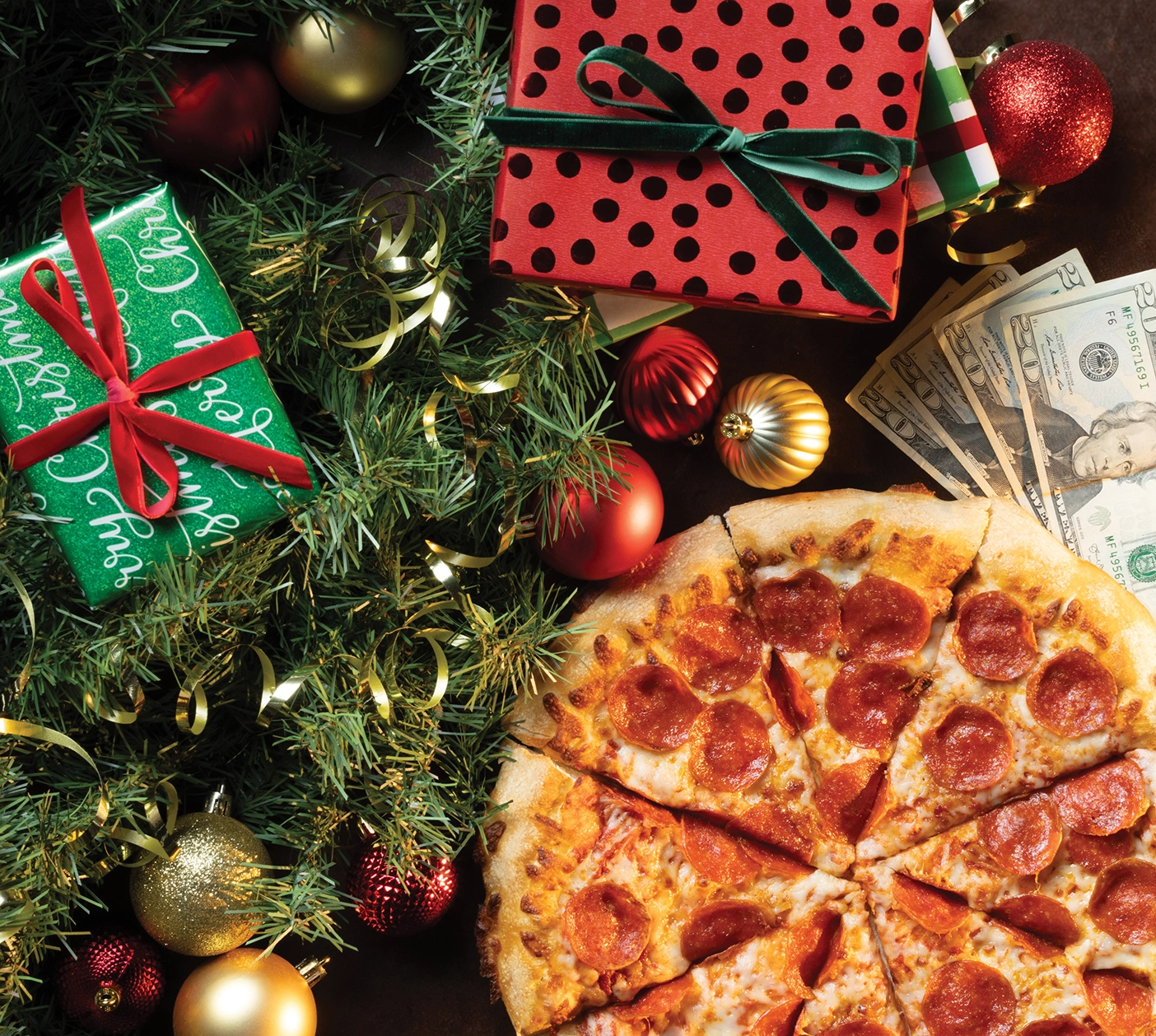
We met the Saturday before Christmas at our home, where we ate pizza and wrapped all the gifts that had been so lovingly purchased. My sons made the arrangements to deliver the gifts to the families a day or so before Christmas.
My husband and I went with our youngest son, Scott M. Stevenson (BS ’09), to deliver the gifts his children had purchased and wrapped. My 11-year-old granddaughter, who had been so chatty on the way to deliver the gifts, became very quiet as we walked up the steps of a very small trailer.
The door opened and we were ushered inside, where a father extended his hand to all of us and expressed his sincere gratitude. The family had recently immigrated to the United States and was overwhelmed by the bounty at their door. Although we couldn’t speak their language, we could feel how grateful they were.
I started this project wanting to teach my grandchildren a lesson in appreciation and sacrifice. Instead I learned a lesson about them. My grandchildren aren’t selfish; they just had been given few opportunities to serve others. When called upon to give of themselves, they did not disappoint.
We gathered again on Christmas Day, but this year there were no gifts to open from Grandma and Grandpa. I asked my grandchildren if they were sad, but they all immediately said it was the best Christmas gift we had ever given to them.
They might not remember any of the things they’ve received in the past, but I’m certain they will never forget the year they gave it all away.

Rita Stevenson is a retired educator, world language fanatic, and French food gourmand.
Share a Family Story
In Letters from Home Y Magazine publishes essays by alumni about family-life experiences—as parents, spouses, grandparents, children. Essays should be 700 words and written in first-person voice. Y Magazine will pay $350 for essays published in Letters from Home. Send submissions to lettersfromhome@byu.edu