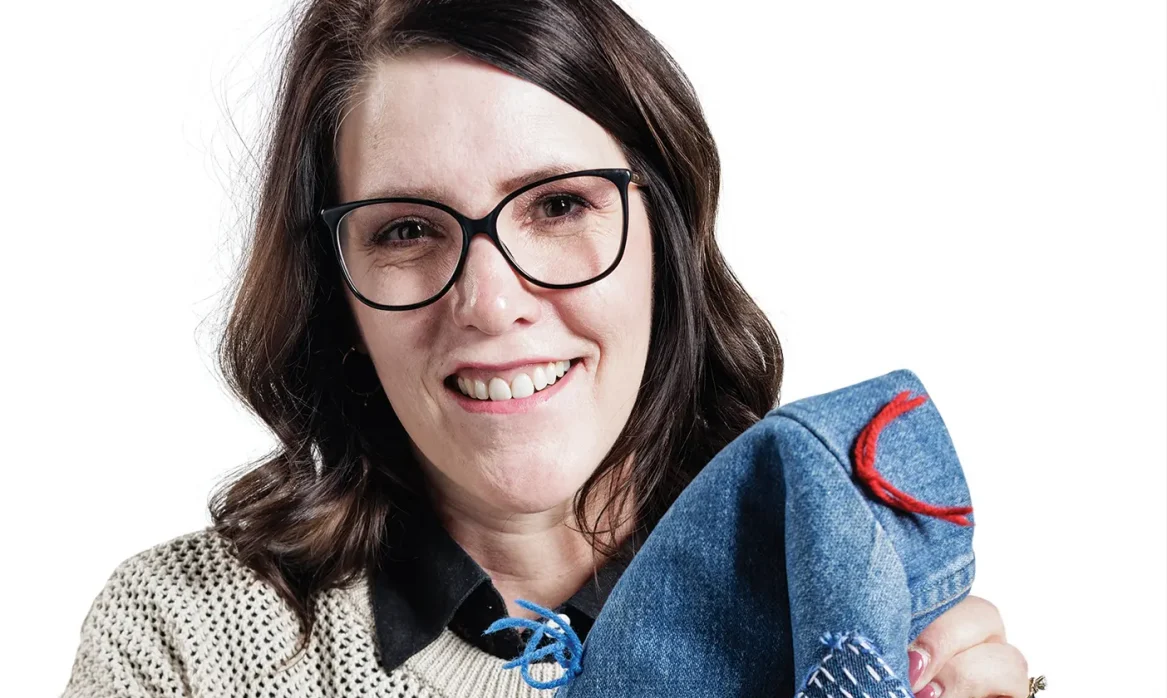






BYU communications professor Othello L. Richards (BA ’03, MA ’17) has been asking good questions his whole career. While working for 12 years in the field as an on-air reporter, Richards estimates that he conducted a whopping 5,000 on-camera interviews. His advice for anyone asking questions—whether they’re journalists, parents, or teachers—is to consider “what your goal is, what you’re trying to achieve, and how can you get there through your questions.”
WHAT MAKES A GOOD QUESTION?
A: It depends on the situation and your goal. Are you just trying to get the facts when talking to your children about something they did, or are you trying to uncover deeper thoughts and emotions? Focus on creating dialogues. Yes or no questions don’t create discussion. Asking “Are you angry right now?” probably won’t get you anywhere, so ask something like, “What’s going through your head right now?”
HOW DOES LISTENING COME INTO PLAY?
A: Don’t assume you know what people are thinking. I’ve noticed that a lot of beginning journalists make the mistake of going straight down their question list. But if you’re not actively listening to what the person is saying, you’ll miss things.
Of course, there needs to be a balance. When I got married, my wife would be talking to me, and I’d just listen and not respond. She looked at me and was like, “Are you going to say anything?” I was being a good listener, but part of listening is being able to ask follow-up questions.
WHAT’S THE KEY TO ASKING HARD QUESTIONS?
A: In tough situations, never go in hot. That’s going to put the person on the defensive right away. Be sensitive and give people a chance to get comfortable with you first. For example, if you’re trying to get information out of your child, ask softer questions first before working up to the tougher ones.